
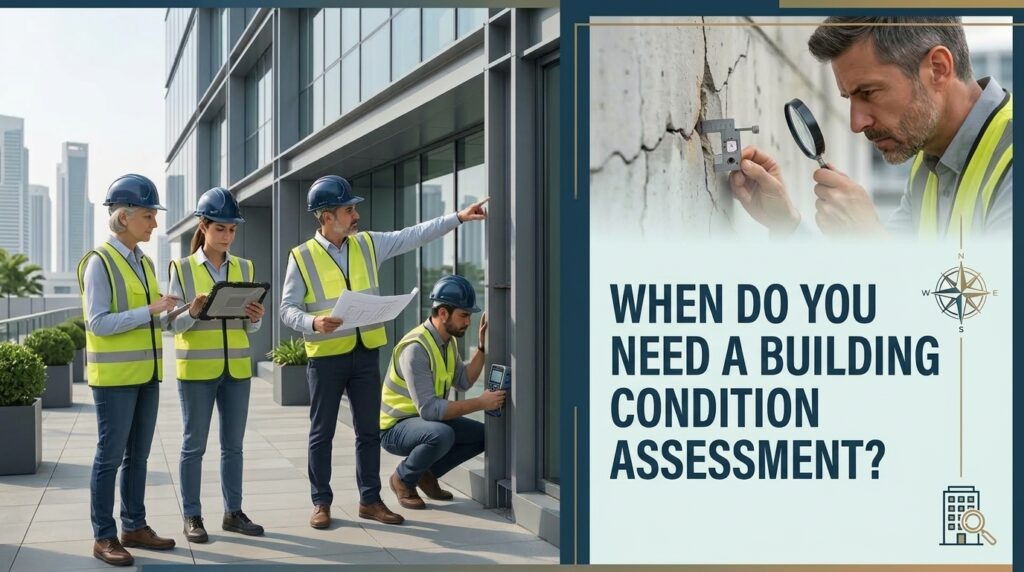
A building can look perfectly fine from the outside and still have problems that are difficult to identify without professional evaluation. Small cracks, water damage, concrete deterioration, previous alterations, ageing materials, or changes to the building’s use can all raise questions about its current condition. This is where a Building Condition Assessment becomes valuable. Instead of waiting until a visible defect develops into an expensive repair problem, a condition assessment gives property owners, investors, developers, and building managers a structured way to understand the present state of an existing property and decide what should happen next.
A Building Condition Assessment is particularly useful when you are dealing with an existing building rather than a new construction project. You may be preparing for a villa renovation, considering the purchase of an older property, investigating recurring defects, planning structural modifications, or simply trying to understand the maintenance requirements of a building. In each situation, the reason for the assessment may be different, but the underlying question remains similar: What condition is the building really in, and what should we do about it?
For property owners in the UAE, understanding the condition of an existing building can also become important when dealing with renovation, certification, structural modifications, or authority requirements. The exact requirements depend on the property, project, authority, and purpose of the assessment, which is why it is important to define the scope with a qualified engineering consultant rather than assuming that every property requires the same type of inspection.
What Is a Building Condition Assessment?
A Building Condition Assessment is a professional evaluation of an existing property’s physical and, where relevant, structural condition. It is intended to establish what is currently known about the building, identify visible or suspected defects, determine whether further investigation is necessary, and provide recommendations that help the owner make informed decisions.
Before deciding whether your property requires an assessment, it can be useful to understand what a CBC is and how certification and building-condition evaluations can relate to existing properties.
A condition assessment is not simply a quick visual tour of a property. A professional assessment can involve reviewing available drawings and records, inspecting accessible areas, documenting defects, considering the history of the building, and determining whether additional structural analysis or testing is necessary.
The scope can vary considerably from one project to another. For one property, the assessment may focus primarily on the structural condition and visible deterioration. For another, the owner may require a broader review involving the building envelope, water-related damage, alterations, finishes, or other components relevant to the purpose of the assessment.
The appropriate scope should therefore be established before the inspection begins.

Book a consultation with our engineering team
What Does a Building Condition Assessment Examine?
The exact inspection checklist depends on the building and the purpose of the assessment. However, an assessment may examine structural elements, visible defects, deterioration, alterations, water-related problems, and other components relevant to the property’s current and future use.
Structural areas may include columns, beams, slabs, walls, roofs, and other accessible structural elements. Non-structural concerns can include damaged finishes, signs of moisture intrusion, deterioration around openings, and other visible building defects.
The important point is that the assessment should be driven by the property’s circumstances and the owner’s objective.
If the assessment is being completed before a major renovation, the engineer needs to pay particular attention to conditions that could affect the proposed works. If the assessment is being conducted because of cracks, the inspection needs to investigate the location, pattern, extent, and characteristics of those cracks rather than simply photographing them.
When Do You Need a Building Condition Assessment?
There is no single situation in which every property automatically needs a Building Condition Assessment. Instead, the need usually arises when an owner, buyer, developer, or engineer needs reliable information about the condition of an existing building before making an important decision.
You may need an assessment before renovating an existing property, before purchasing an older building, after discovering significant defects, when a building has undergone undocumented modifications, when deterioration is suspected, or when you need to plan future repairs and maintenance.
Think about it like buying a used car. You can look at the exterior and decide that everything appears fine, but a professional inspection may reveal mechanical issues that are not obvious during a short visit. Buildings work in a similar way. Some problems are visible, while others require engineering judgment or further investigation.
Before Renovating or Modifying an Existing Building
Renovation is one of the clearest situations where assessing an existing building can make sense.
A renovation may involve opening new doors, removing walls, changing room layouts, adding extensions, modifying roofs, changing loads, or making other alterations that interact with the existing structure.
Without understanding the current condition, designers and contractors may be working with incomplete information about what they are modifying.
A pre-renovation assessment can establish a useful baseline. It can document existing cracks and deterioration, identify areas that may require attention, and provide information that can support subsequent structural or architectural design.
If your project involves a villa, you can also review our guide to CBC for villa renovation to understand some of the issues that can arise when renovating an existing property.
This is particularly important when the proposed renovation involves structural changes rather than cosmetic improvements.
When You Notice Cracks, Deterioration, or Structural Problems
A visible crack does not automatically mean that a building has a serious structural problem. Cracks can have different causes and different levels of significance, and their appearance alone is not enough to determine the underlying issue.
However, recurring cracks, significant cracking, exposed reinforcement, concrete deterioration, water-related damage, settlement indicators, or changes in previously observed defects are reasonable reasons to seek professional engineering advice.
If you are concerned about visible defects, our guide on signs your building may need structural inspection provides additional information about warning signs that property owners should pay attention to.
A professional assessment can help distinguish cosmetic concerns from issues that require deeper investigation. That distinction matters because the wrong response can be costly in both directions: treating a harmless surface defect as a major structural failure can lead to unnecessary work, while dismissing a significant defect can allow deterioration to continue.
Book a consultation with our engineering team
Building Condition Assessment for Older Buildings
Older buildings deserve particular attention because time can change the condition of materials, components, repairs, and modifications.
That does not mean an older building is automatically unsafe. A well-maintained older property may perform very well, while a newer building can also develop defects. What age changes is the amount of history that may need to be understood.
Previous repairs, alterations, exposure to moisture, maintenance practices, changes of use, and undocumented work can all become relevant when evaluating an existing property.
A condition assessment can provide a current snapshot of the building and help establish priorities. It can identify areas where deterioration appears to be progressing, distinguish maintenance issues from potentially significant structural concerns, and provide a basis for deciding whether detailed analysis or testing is justified.
Why Age Matters in Existing Buildings
The significance of age depends on the building’s construction history and current condition.
An older building may have experienced decades of environmental exposure, repairs, alterations, and changes in occupancy. Some components may have deteriorated gradually while remaining functional, while others may require intervention to maintain their intended performance.
The assessment should therefore consider condition rather than age alone.
An engineer may review the observed deterioration, available documentation, building history, previous interventions, and current use to determine what further work is appropriate.
Building Condition Assessment Before Buying a Property
Purchasing an existing building is another strong reason to consider a condition assessment.
Property transactions often focus heavily on location, price, size, appearance, and potential return, but the physical condition of the asset can have a major impact on its real value.
A building that appears attractive during a short viewing may have defects, maintenance requirements, or previous modifications that deserve closer examination before the buyer commits to the purchase.
A pre-purchase condition assessment can help the buyer understand what they are actually acquiring. It can identify visible defects, highlight areas requiring further investigation, and support better budgeting for repairs or future maintenance.
It can also help a buyer ask more informed questions about the property rather than basing a major investment decision solely on appearances.
This can be particularly useful when purchasing an older villa, commercial property, or building that has undergone multiple modifications.
Building Condition Assessment Before Villa Renovation
For villa owners, a Building Condition Assessment before renovation can be especially valuable when planned works go beyond finishes and decoration.
Renovation projects can interact with the existing building in unexpected ways, particularly when owners want to remove walls, create larger openings, extend the building, modify slabs, alter roofs, or change internal layouts.
The existing condition should be understood before the new design is finalized.
A professional assessment can document pre-existing defects and give the design team a clearer picture of the building they are working with.
If you are planning a villa project, it is also useful to understand how engineering consultants can prevent costly mistakes in villa construction before construction or major renovation work begins.
This becomes particularly important when the villa has already been renovated because previous alterations may not be obvious from the original drawings.
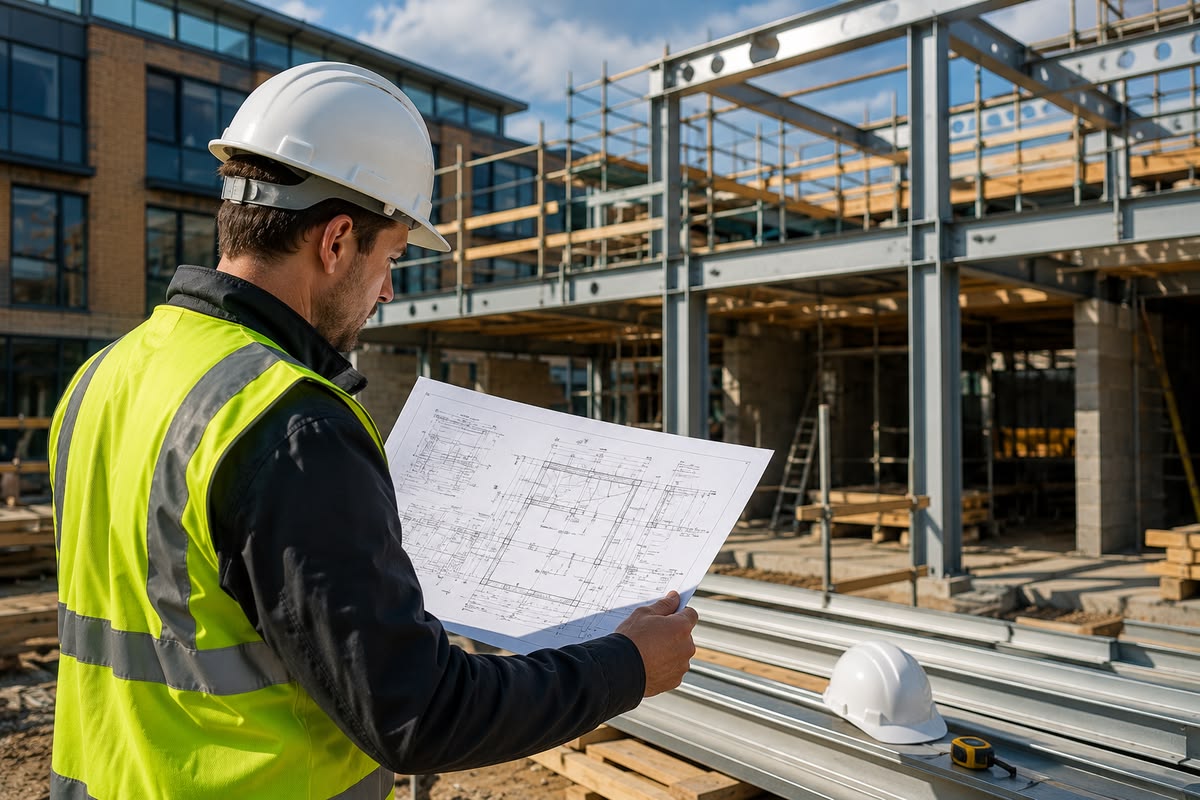
Building Condition Assessment for Undocumented Modifications
Undocumented modifications can complicate the assessment of an existing building.
A property may have extensions, altered openings, removed walls, changed layouts, or other work that is not clearly reflected in the available drawings.
When this happens, the engineer needs to understand the difference between the original design and the building as it currently exists.
This does not automatically mean that the modification is unsafe. It means that the current condition needs to be understood before conclusions are made.
Depending on the situation, the engineering team may need to review available records, inspect modified areas, conduct additional investigation, or perform structural analysis.
For property owners, this is one of the strongest arguments for obtaining professional advice before carrying out further modifications.
Book a consultation with our engineering team
Building Condition Assessment vs Structural Inspection
Building Condition Assessment and Structural Inspection are related but should not automatically be treated as identical services.
A Building Condition Assessment can have a broader scope depending on the project, while a structural inspection focuses more specifically on structural elements and potential structural concerns.
For example, a property owner planning a renovation may need a broader understanding of the existing building as well as detailed structural information for proposed modifications.
Another owner may have visible cracks and require a focused structural investigation.
If you want to understand the difference in more detail, see our article on Building Condition Assessment vs structural report.
The two services can sometimes work together, particularly when an existing building has structural defects or when major renovation is planned.
What Happens During a Building Condition Assessment?
The process normally begins with understanding the property, its history, and the reason for the assessment.
Available documents may then be reviewed, followed by a site investigation in which the engineering team records relevant conditions and defects.
Depending on what is found, the consultant may conduct preliminary analysis and determine whether additional testing or a more detailed assessment is justified.
For projects involving CBC requirements, the process can also involve engineering consultants who understand the relevant approval requirements. Our guide on how structural consultants help with CBC approval in Abu Dhabi provides more context about the consultant’s role.
The advantage of a staged approach is efficiency. Instead of automatically performing every possible test on every building, the engineering team can use the initial findings to determine where deeper investigation would actually add value.
What Does a Building Condition Assessment Report Include?
The report should reflect the agreed scope of work and provide enough information for the client to understand what was inspected, what was found, and what should happen next.
Depending on the project, it may contain property information, assessment methodology, site observations, photographs, identified defects, engineering findings, test results, limitations, and recommendations.
A strong report should distinguish observations from engineering conclusions.
For example, saying that a crack exists is an observation. Determining whether the crack indicates a structural concern requires engineering interpretation and, in some cases, additional investigation.
This distinction is critical because property owners need actionable information rather than a collection of photographs without context.
Does Every Building Condition Assessment Require Testing?
No. Not every Building Condition Assessment requires laboratory or non-destructive testing.
Testing should be considered when the available information and site observations indicate that it would help answer a specific engineering question.
For example, if a consultant observes significant concrete deterioration and needs more information about material properties or reinforcement conditions, additional investigation may be appropriate.
If a visible issue can be adequately evaluated through inspection and available documentation, extensive testing may not add meaningful value.
The key principle is simple: testing should have a clear engineering purpose.
A professional consultant should be able to explain what a proposed test is intended to establish and how its results will affect the assessment.
Benefits of Assessing a Building Before Problems Become Serious
One of the biggest benefits of a condition assessment is the ability to make decisions before deterioration becomes more extensive.
A small issue may be easier and less expensive to address when identified early than after years of exposure, water ingress, corrosion, or repeated loading.
Condition assessments are also useful for prioritizing repairs and maintenance rather than treating every defect as equally urgent.
For property owners, the assessment can become a decision-making tool that helps answer questions such as:
- Which defects require immediate attention?
- Which issues can be monitored?
- Does the property require structural investigation?
- Is planned renovation technically feasible?
- What repairs may be required?
- Is further testing necessary?
The result is not simply a report. It is a clearer basis for deciding what to do with the property.
Building Condition Assessment in Abu Dhabi
In Abu Dhabi, the appropriate scope of a Building Condition Assessment depends on the property and the purpose of the assessment.
Owners should therefore avoid copying an inspection checklist from another project and assuming that it automatically satisfies their own requirements.
The engineering consultant should understand the property, intended use, proposed works, available documentation, and relevant authority requirements before defining the assessment scope.
For projects where CBC requirements are involved, property owners should also consider the expected process and timeline. Our guide on how long it takes to get a CBC in Abu Dhabi can help property owners understand the factors that can influence the overall timeframe.
The same principle applies to costs. Rather than relying on a generic figure, owners should understand the scope of the assessment and what is included in the quotation.
How Much Does a Building Condition Assessment Cost?
The cost of a Building Condition Assessment varies because buildings and assessment scopes vary.
A small villa requiring a focused inspection will not have the same engineering requirements as a large commercial property with multiple structures, extensive deterioration, or a need for testing and structural analysis.
Factors that may affect the fee include:
- Building size and type
- Age and condition
- Accessibility
- Number of areas requiring inspection
- Availability of drawings and records
- Number and complexity of observed defects
- Required testing
- Structural analysis requirements
- Report scope
- Authority or certification requirements
For projects involving CBC, you can also review our CBC cost and fees guide in Abu Dhabi for additional information about the factors that can influence the overall cost.
A reliable quotation should be based on the actual property and scope rather than a generic price.
How to Choose a Building Condition Assessment Consultant
The quality of the assessment depends heavily on the competence and scope of the engineering team.
Look for a consultant with relevant experience in existing buildings, structural inspection, condition assessment, and the types of issues affecting your property.
If you anticipate renovation or strengthening after the assessment, it can also be useful to choose a consultancy capable of providing those engineering services rather than having to coordinate several unrelated companies.
Before appointing a consultant, ask about the inspection scope, documentation requirements, testing strategy, reporting format, estimated timeframe, and what happens if significant defects are discovered.
You should also clarify whether structural analysis, testing, authority submissions, repair design, or strengthening are included or treated as separate services.
For a more detailed checklist, read how to choose an engineering consultant in Abu Dhabi before selecting your consultant.
What Happens After a Building Condition Assessment?
A condition assessment should not necessarily be considered the final step.
The next stage depends on what the assessment finds.
If the building is generally in acceptable condition, the consultant may recommend routine maintenance, monitoring, or specific minor repairs.
If significant deterioration or structural concerns are identified, additional investigation may be required.
In some cases, the next step may involve structural analysis, remedial work, strengthening, architectural redesign, or project management.
This is why it can be useful to work with an engineering consultancy that can support multiple stages of the project rather than providing an isolated inspection with no pathway for the next step.
Conclusion
A Building Condition Assessment can be valuable whenever you need reliable information about an existing property before making an important decision.
You may need one before renovating a villa, purchasing an existing property, investigating cracks or deterioration, dealing with undocumented modifications, planning structural changes, or developing a maintenance and repair strategy.
The assessment can help establish what is known about the building, identify areas of concern, determine whether further investigation is required, and provide a practical basis for the next engineering decision.
The most important point is that there is no single checklist or scope that fits every property.
A professional assessment should be tailored to the building, its history, current condition, and the reason the owner needs the information.
For property owners in Abu Dhabi, working with an engineering consultancy that understands Building Condition Assessment, structural inspection, structural analysis, remedial work, and strengthening can make the process much easier when the assessment leads to additional engineering work.
If you are unsure whether your property needs a Building Condition Assessment, the best starting point is to discuss the building’s age, condition, history, proposed works, and purpose of the assessment with a qualified engineering consultant.

Book a consultation with our engineering team
FAQs
When should you get a Building Condition Assessment?
You should consider a Building Condition Assessment before major renovation or structural modification, when buying an existing property, when significant cracks or deterioration appear, when undocumented modifications exist, or when you need to understand the condition of an older building.
Is a Building Condition Assessment the same as a structural inspection?
Not necessarily. A structural inspection generally focuses more specifically on structural elements and structural concerns, while a Building Condition Assessment can have a broader scope depending on the project.
Does an old building always need a Building Condition Assessment?
Age alone does not determine whether an assessment is required. However, older buildings may have a longer history of repairs, alterations, deterioration, and environmental exposure, making professional evaluation particularly useful.
Can a Building Condition Assessment identify structural problems?
It can identify visible indicators of potential structural problems and help determine whether more detailed structural investigation is required. Where the initial assessment indicates a structural concern, the engineer may recommend additional analysis, testing, or a dedicated structural inspection.
Do I need a Building Condition Assessment before renovating a villa?
It depends on the renovation scope. Cosmetic work may not require the same engineering assessment as a renovation involving wall removal, new openings, extensions, changes to structural elements, or significant load modifications. If the renovation affects the existing structure, assessing its current condition before finalizing the proposed works can be highly beneficial.