
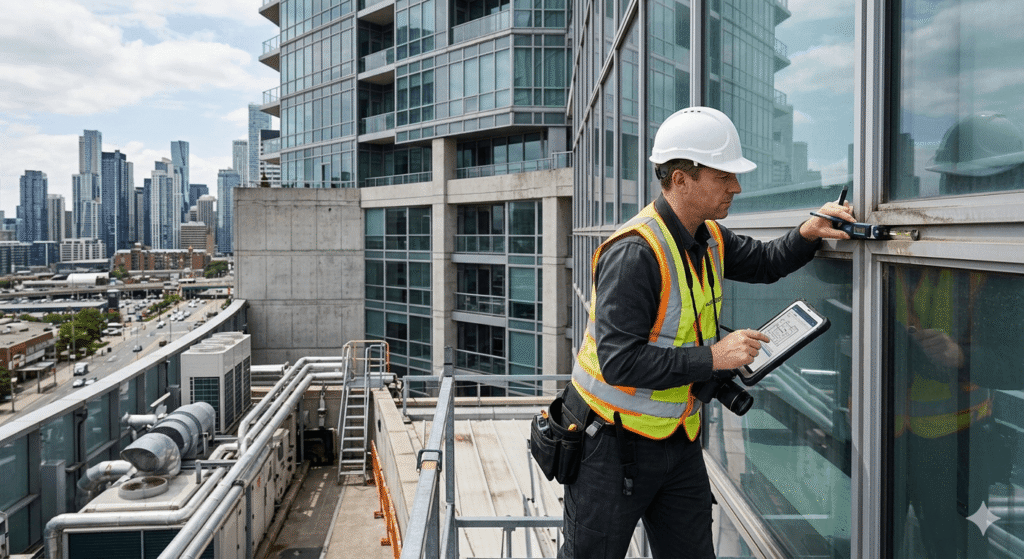
Buildings are valuable assets that require regular evaluation to ensure their safety, performance, and long-term durability. Whether you own a residential villa, commercial property, educational facility, or industrial building, understanding the condition of your property is essential for making informed decisions. This is where a Building Condition Assessment plays a critical role.
A professional Building Condition Assessment helps property owners, investors, facility managers, and developers identify existing issues, evaluate structural integrity, and plan future maintenance or renovation work. By understanding the current state of a building, stakeholders can reduce risks, avoid costly repairs, and extend the lifespan of their assets.
What Is a Building Condition Assessment?
A Building Condition Assessment (BCA) is a comprehensive evaluation of a building’s physical condition. It involves a detailed inspection of structural, architectural, mechanical, electrical, and plumbing components to determine the overall health and performance of the property.
The assessment is typically conducted by qualified engineers, architects, and building consultants who examine various building systems and identify defects, deterioration, safety concerns, and maintenance requirements.
The goal is to provide a clear and accurate picture of the building’s condition through a detailed engineering report that helps owners make informed decisions regarding repairs, renovations, asset management, and future investments.
What Is Included in a Building Condition Assessment?
A professional Building Condition Assessment typically covers the following areas:
Structural Components
Engineers inspect foundations, columns, beams, slabs, load-bearing walls, and other structural elements to identify cracks, settlement issues, corrosion, or signs of structural distress.
Building Envelope
The external components of the building, including facades, roofs, waterproofing systems, windows, and doors, are evaluated for deterioration, leakage, and weather-related damage.
Mechanical Systems
HVAC systems, ventilation equipment, and mechanical installations are reviewed to assess functionality, efficiency, and maintenance requirements.
Electrical Systems
Electrical panels, wiring, lighting systems, and power distribution networks are examined to ensure compliance and safe operation.
Plumbing Systems
Water supply systems, drainage networks, and sanitary installations are inspected for leaks, corrosion, and operational performance.
Interior and Finishes
Walls, ceilings, flooring, and interior finishes are evaluated to identify visible defects, moisture damage, or maintenance concerns.
What Is a Property Condition Assessment?
A Property Condition Assessment (PCA) is closely related to a Building Condition Assessment. While both processes evaluate the condition of a property, a Property Condition Assessment often focuses on the overall asset from an ownership and investment perspective.
Investors, lenders, buyers, and property managers commonly request a Property Condition Assessment before purchasing or financing a property. The assessment provides insights into the current condition of the asset, potential repair costs, and future capital expenditures.
The results help stakeholders understand financial risks and make informed investment decisions.
Why Is a Building Condition Assessment Important?
1. Enhances Building Safety
Safety is one of the primary reasons for conducting a Building Condition Assessment. Structural defects, deteriorating materials, and aging building systems can pose significant risks to occupants.
Regular assessments help identify safety concerns before they become major hazards, allowing property owners to implement corrective measures promptly.
2. Identifies Hidden Problems Early
Many building issues develop gradually and may not be visible to untrained eyes. Moisture intrusion, corrosion, structural movement, and system failures often remain unnoticed until they cause extensive damage.
A professional assessment detects these issues early, helping owners avoid expensive emergency repairs.
3. Supports Property Transactions
When buying or selling a property, having accurate information about the building’s condition is essential.
A Building Condition Assessment provides transparency and helps buyers, sellers, and investors evaluate the property’s true value. It can also strengthen negotiations and reduce unexpected liabilities after the transaction.
4. Assists with Maintenance Planning
A detailed assessment helps property owners develop a proactive maintenance strategy rather than relying on reactive repairs.
By identifying components that require immediate attention and forecasting future maintenance needs, owners can budget effectively and extend the lifespan of their buildings.
5. Protects Property Value
Well-maintained buildings retain their market value and remain attractive to buyers, tenants, and investors.
Regular Building Condition Assessments ensure that potential issues are addressed before they negatively impact the property’s value.
6. Supports Regulatory Compliance
Building regulations and safety standards continue to evolve. Periodic assessments help ensure compliance with local authority requirements, engineering standards, and safety codes.
This is especially important for commercial buildings, educational facilities, healthcare institutions, and government projects.
When Should You Conduct a Building Condition Assessment?
Property owners should consider a Building Condition Assessment in the following situations:
- Before purchasing a property
- Before selling a building
- Prior to major renovations
- During asset management planning
- For aging buildings
- Following extreme weather events
- When structural concerns become visible
- To meet regulatory or insurance requirements
Regular assessments can help detect issues before they escalate into costly repairs.
The Role of Building Inspection Services
Professional Building Inspection Services are a key part of the assessment process. Experienced engineering consultants use visual inspections, testing methods, and technical evaluations to identify deficiencies and assess overall building performance.
Building Inspection Services provide objective insights that support maintenance planning, renovation decisions, safety improvements, and investment strategies.
The findings are typically documented in a detailed engineering report that outlines current conditions, identifies risks, and recommends corrective actions.
Benefits of Hiring Professional Engineering Consultants
Choosing qualified engineering consultants for a Building Condition Assessment offers several advantages:
- Accurate and unbiased evaluations
- Professional engineering expertise
- Compliance with industry standards
- Comprehensive reporting
- Long-term asset protection
- Improved building safety
- Reduced maintenance costs
- Better investment decision-making
Experienced consultants can identify issues that may otherwise go unnoticed and provide practical solutions tailored to the specific property.
Conclusion
A Building Condition Assessment is one of the most valuable tools available for protecting property investments, ensuring occupant safety, and maintaining long-term building performance. Whether you own a residential property, commercial facility, or institutional building, understanding the condition of your asset is essential for making informed decisions.
Combined with professional Property Condition Assessment procedures and expert Building Inspection Services, a thorough evaluation provides the knowledge needed to plan maintenance, reduce risks, and maximize the lifespan of your building.
Investing in a professional assessment today can help prevent costly problems tomorrow while ensuring that your property remains safe, compliant, and valuable for years to come.