
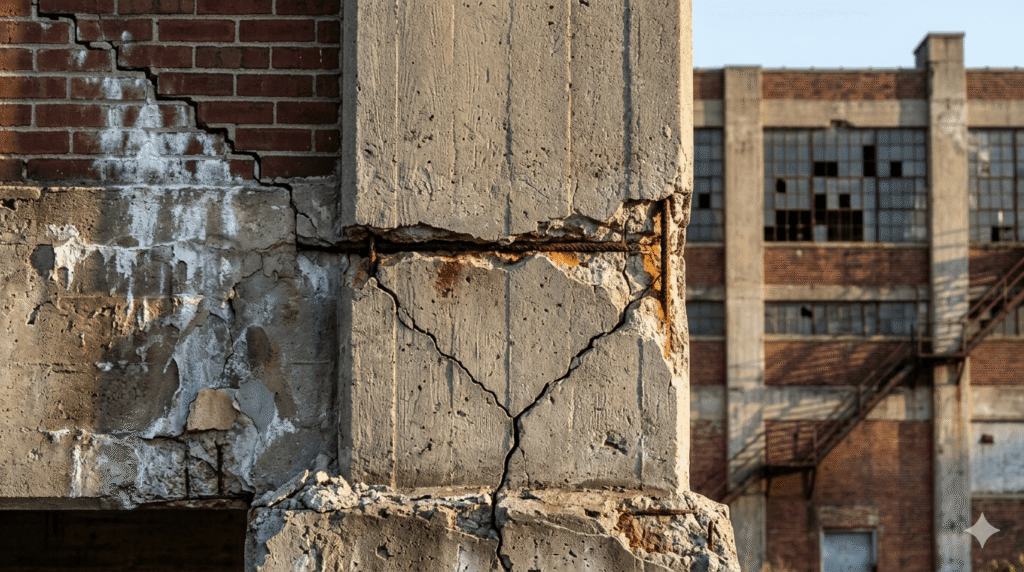
Buildings are designed to last, but over time, even the strongest structures can develop hidden weaknesses. Whether due to age, environmental factors, poor construction, or lack of maintenance, structural issues can compromise the safety and value of your property.
This is where a structural inspection becomes essential. Identifying early warning signs can save you from costly repairs—and in some cases, prevent serious structural failure.
In this guide, we’ll explore the most important signs that indicate your building needs a professional structural inspection and why acting early is critical.
What Is a Structural Inspection?
A structural inspection is a detailed evaluation conducted by engineering professionals to assess the safety, strength, and stability of a building.
It involves examining:
- Foundations
- Columns and beams
- Walls and ceilings
- Load-bearing elements
- Cracks, moisture, and deformation
The goal is to detect issues early and recommend solutions before they become serious problems.
Why Structural Inspection Is Important
Ignoring structural issues can lead to:
- Expensive repairs
- Reduced property value
- Safety risks for occupants
- Legal and compliance issues
Regular building structural inspection ensures your property remains safe, compliant, and durable over time.
Top Signs Your Building Needs Structural Inspection
1. Cracks in Walls or Ceilings
Not all cracks are dangerous—but some are clear warning signs.
⚠️ Watch for:
- Wide or deep cracks
- Diagonal cracks near doors and windows
- Cracks that continue to grow over time
These may indicate foundation movement or structural stress.
2. Uneven or Sloping Floors
If your floors are no longer level, this could point to structural instability.
Possible causes:
- Foundation settlement
- Weak structural support
- Soil movement under the building
This is a major sign that a structural inspection is needed immediately.
3. Doors and Windows Not Closing Properly
When doors and windows become difficult to open or close, it may not be a simple hardware issue.
It could be due to:
- Structural shifting
- Frame misalignment
- Foundation movement
This is often one of the earliest indicators of structural problems.
4. Water Damage and Moisture Issues
Water is one of the biggest threats to any structure.
Signs include:
- Damp walls
- Mold growth
- Water stains
- Peeling paint
Moisture can weaken structural elements over time and lead to serious damage.
5. Sagging Roof or Ceiling
A sagging ceiling or roof is a serious red flag.
It may indicate:
- Structural overload
- Weak support beams
- Water damage
- Poor construction
This issue requires urgent professional evaluation.
6. Visible Structural Deformation
If you notice bending, leaning, or warping in structural elements like columns or beams, immediate action is required.
These are signs of:
- Structural stress
- Material fatigue
- Potential failure
7. Aging Buildings (20+ Years Old)
Older buildings are more likely to develop structural issues over time.
Factors include:
- Material deterioration
- Outdated construction standards
- Environmental exposure
Regular building inspection services are essential for older properties.
8. Recent Renovation or Construction Work
Any major changes to a building can affect its structural balance.
Examples:
- Removing walls
- Adding floors
- Changing layouts
A structural inspection ensures these changes are safe and compliant.
9. Foundation Problems
The foundation is the most critical part of any building.
Warning signs:
- Cracks in foundation walls
- Soil movement
- Gaps between walls and floors
Foundation issues can lead to major structural damage if ignored.
10. Unusual Sounds or Vibrations
Strange sounds like creaking, cracking, or shifting noises can indicate internal stress within the structure.
These should never be ignored.
When Should You Schedule a Structural Inspection?
You should consider a structural inspection when:
- Buying or selling property
- Before renovation or expansion
- After natural events (storms, earthquakes)
- When any warning signs appear
- For periodic maintenance checks
Benefits of Early Structural Inspection
✔ Prevents major damage
✔ Reduces repair costs
✔ Ensures occupant safety
✔ Maintains property value
✔ Provides peace of mind
Early action is always more cost-effective than emergency repairs.
How Professionals Conduct Structural Inspection
A professional engineering team will:
- Perform on-site evaluation
- Use advanced tools and analysis methods
- Identify structural weaknesses
- Provide detailed reports
- Recommend repair or strengthening solutions
Final Thoughts
Structural issues don’t appear overnight—they develop gradually. The key is to detect them early through a professional structural inspection.
If you notice any of the warning signs mentioned above, it’s essential to act immediately. Ignoring these issues can lead to costly repairs and serious safety risks.
A safe building starts with a strong structure—and a strong structure starts with proper inspection.
Need a professional structural inspection? Contact our expert engineering team today and ensure your building is safe, stable, and built to last.